
AI Content Strategy Templates and Tools to Simplify Your Entire Workflow

AI tools are transforming how content is planned, created, and distributed. By automating time-consuming tasks like keyword research, topic brainstorming, and performance tracking, these tools help teams save time and focus on producing better content. In 2025, 87% of marketers rely on AI for content creation, with many reporting up to 50% faster production and measurable engagement boosts like 10,000% increases in impressions.
Here’s what AI-powered templates bring to the table:
- Content Roadmaps: Automated keyword research and data-driven topic suggestions.
- Editorial Calendars: Smart scheduling based on audience behavior and trends.
- Performance Tracking: Real-time insights to refine strategies immediately.
- Audience Personas: Deep analysis of user behavior for tailored messaging.
- Multi-Channel Distribution: Adapts content for platforms like LinkedIn, Instagram, and Twitter.
Whether you’re managing blogs, social media, or PR campaigns, AI templates streamline workflows, ensuring consistent brand voice and better results. Combining AI automation with human creativity allows teams to focus on storytelling and strategy while AI handles repetitive tasks.
This AI Content Strategy Will Get You Ahead Of Your Competition
What Are AI Content Strategy Templates
AI content strategy templates are like having a smart assistant for your content workflow. They use machine learning and data analysis to create flexible, data-driven frameworks that automate and improve every step of your content process. Unlike traditional templates that provide a fixed structure and require manual input, these AI-powered tools adapt to your audience's behavior, performance metrics, and your specific goals.
Picture traditional templates as static blueprints - they give you a structure, but you still have to do all the heavy lifting. AI templates, on the other hand, not only provide a framework but also suggest relevant ideas, helping you craft content that's fine-tuned for your audience. They can take care of tasks like generating editorial calendars, spotting trending topics, ensuring your brand voice is consistent across platforms, and even predicting which content will perform well before you hit publish.
How AI-Powered Content Templates Work
These templates work by sifting through large amounts of data to uncover patterns, trends, and performance indicators that might otherwise go unnoticed. When you input details about your brand, target audience, and goals, the AI taps into real-time market trends, competitor activities, and emerging topics to shape a personalized content strategy.
Over time, the system gets smarter. For instance, if the AI notices that your audience engages more with video content on certain days, it will prioritize video in your strategy. These templates integrate smoothly with your existing tools, pulling together content management, social media, email campaigns, and analytics into a single, easy-to-use dashboard.
One standout feature is their ability to analyze your existing content - or even just your website URL - to develop a consistent brand voice. Whether you're crafting a blog, a tweet, or a press release, the AI ensures your tone stays on point. Plus, with predictive analytics, it can forecast engagement, recommend the best times to post, and suggest tweaks to improve your content before it goes live. The result? A more efficient process that delivers measurable results.
Main Benefits of AI Templates
One of the biggest perks of AI content templates is the time they save. By automating tasks like keyword research, competitor analysis, and brainstorming, teams can cut content production time by up to 50% and see engagement rates climb by 30–50% [1][4]. That’s hours of manual work replaced with instant, data-driven insights.
These templates also ensure your content consistently aligns with your brand voice and messaging. They automatically optimize for SEO and readability, helping your content perform better without extra effort.
What really sets AI templates apart is their ability to optimize in real time. Instead of waiting weeks to analyze performance and adjust your strategy, these tools provide instant feedback and recommendations. This means you can quickly respond to trends and refine your messaging on the go.
Multi-channel distribution is another area where AI templates shine. They can adapt your core message to fit different platforms - shortening it for Twitter, adding visuals for Instagram, or expanding it for LinkedIn - all while keeping your brand voice consistent across the board.
Lastly, AI templates are perfect for scaling. Whether you're managing multiple brands or running a large agency, these tools let you handle more without needing to grow your team. By automating repetitive tasks, your team can focus on the big-picture strategy and creative storytelling that drive real results.
Key Parts of Effective AI Templates
AI has revolutionized how content is created, streamlining the process and making it more efficient. The best AI content templates are built around three core elements that simplify planning and execution. Together, these components turn disorganized workflows into structured, data-driven systems that consistently deliver results across all marketing channels.
Content Roadmaps and Keyword Research
AI-powered content roadmaps eliminate the guesswork from strategy planning. Instead of relying on brainstorming or intuition, these tools dive into market trends, competitor strategies, and audience search behavior to craft well-informed plans. They ensure your content strategy is rooted in data, not assumptions.
Keyword research is seamlessly integrated into this process. Advanced AI platforms analyze keyword clusters, aligning them with your business objectives. This approach focuses your efforts on areas with the highest potential return, rather than wasting time on content that might go unnoticed.
SEO.com reports that 90% of brands now use AI for content planning, showing how effective it is at improving workflows and targeting precision [3][5].
Effective keyword research involves identifying relevant topics, understanding search intent, and prioritizing keywords based on metrics like search volume and difficulty. Modern tools go beyond basic suggestions, offering competitive gap analyses and personalized recommendations. This ensures you're not just choosing keywords but uncovering the exact topics your audience cares about.
As your content performs, AI refines its keyword recommendations, keeping your strategy aligned with evolving trends. This continuous feedback loop ensures your content always targets the right audience with maximum impact.
Audience Personas and Brand Voice
AI tools excel at creating detailed audience personas by analyzing user behavior, social media activity, and website analytics. Instead of relying on broad demographics, these tools dig deeper, uncovering what topics and formats resonate with specific segments. They even identify the language your audience uses when discussing your industry.
Leading analytics platforms help marketers connect with their audience by analyzing millions of search queries and interactions. This ensures your strategy is grounded in real behavior, not assumptions.
Slate Teams found that using AI for persona development leads to better content ideas and stronger alignment with audience interests [7].
Maintaining a consistent brand voice becomes effortless with AI. These tools analyze your existing content to understand your tone, style, and messaging. They then apply these guidelines across all content formats, whether you're crafting a technical white paper or a playful social media post.
Advanced platforms allow teams to train AI models using brand guidelines and sample content. Once established, brand voice profiles ensure consistency across blog posts, emails, and social media campaigns. This integration of audience insights with brand voice creates a unified strategy, laying the groundwork for effective scheduling and performance monitoring.
Editorial Calendars and Performance Tracking
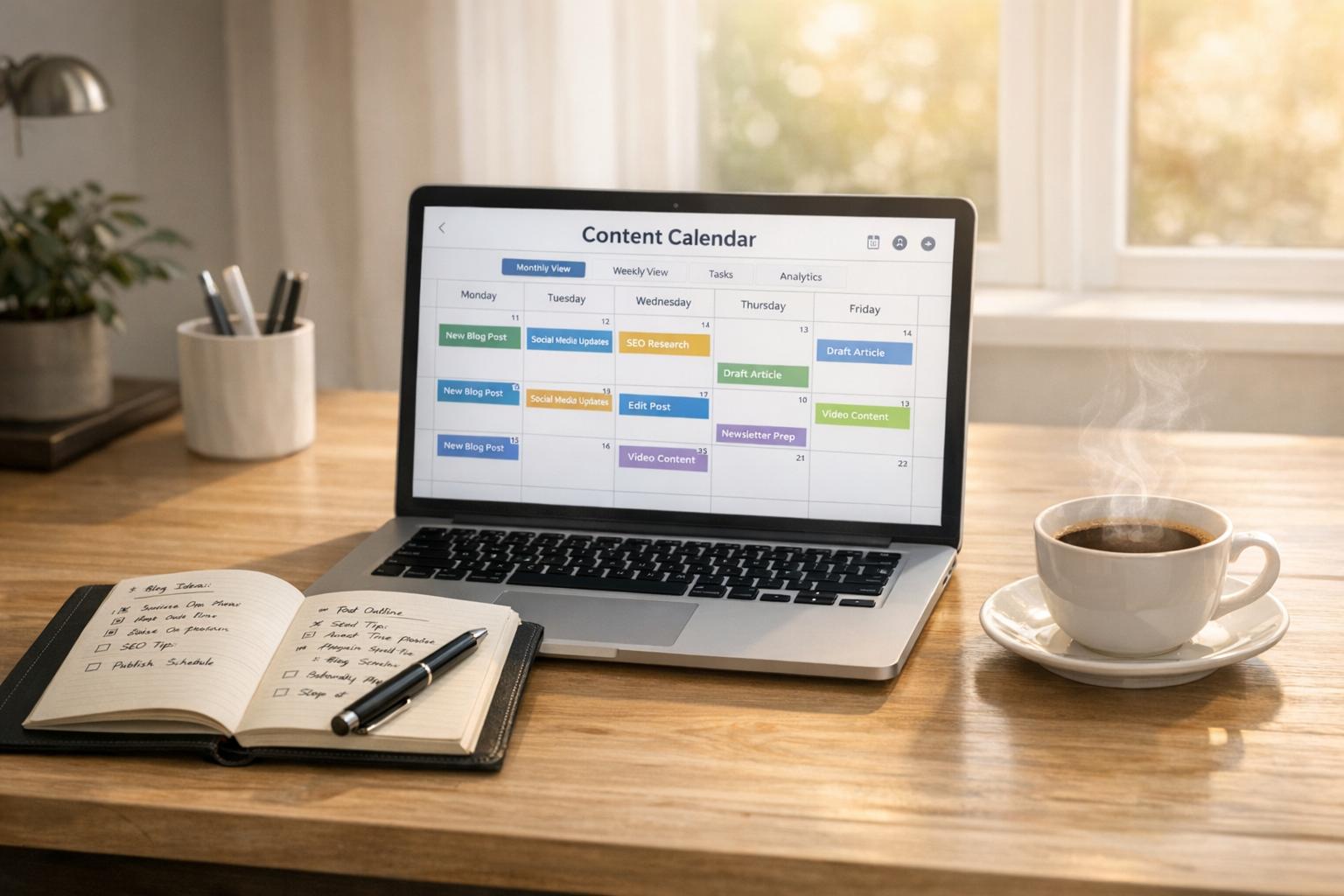
AI-powered editorial calendars go beyond simple scheduling. They adapt to performance data and market trends, helping you decide when and where to publish for maximum impact. These calendars analyze audience activity, content performance by day, and the ideal mix of formats to optimize your strategy.
Unified calendars sync publishing across platforms, integrating with popular CMS tools for seamless collaboration. Teams can manage content schedules, SEO, and performance tracking all in one place.
For example, a marketing agency using StoryChief improved its multi-channel distribution process. With AI-powered workflows, they reduced content production time by 30% and increased client engagement by 25% [6].
Performance tracking is a game-changer. Unlike traditional tools that provide delayed results, AI offers real-time metrics like engagement, conversions, and traffic. These insights flow directly back into your editorial calendar, helping you refine your strategy. Advanced tools track keyword performance and content authority, while others provide data on email open rates and social media engagement.
Predictive analytics take things further by forecasting content performance before it's even published. By analyzing historical data and current trends, these tools predict which pieces will resonate most with your audience. This allows you to tweak your calendar proactively, focusing resources on high-impact content.
The combination of performance tracking and editorial planning creates a cycle of continuous improvement. As you publish and gather data, AI learns what works best and suggests future optimizations - whether it's adjusting publishing times, exploring related topics, or filling content gaps. This ensures your strategy remains dynamic and effective.
AI Tools and Templates for Different Content Types
Creating content today requires versatility across a variety of formats and platforms. AI-powered templates have stepped up to meet this demand, offering tailored solutions for blogs, social media, and press releases. These templates are designed to address the specific needs of each format while maintaining a consistent voice and style across your content strategy. Let’s explore how these AI templates enhance content creation across different types.
Blog Posts and Thought Leadership Templates
AI blog templates help break down complex topics into well-organized, engaging articles. They create detailed outlines, suggest relevant headlines, and incorporate keyword research to ensure the content aligns with search intent. These templates also provide logical content flows and prompts tailored to your audience, making the writing process smoother.
For thought leadership pieces, the templates take it a step further. They guide writers in presenting original insights, backing up arguments with data, and positioning expertise within industry discussions. Features often include sections for trend analysis, case studies, and actionable takeaways that readers can immediately apply.
These tools don’t just stop at structuring the content. They offer recommendations for optimal word counts, internal linking opportunities, and areas where additional research or examples could add depth. This built-in support ensures your content is not only thorough but also resonates with readers and ranks well on search engines.
Social Media and Multi-Channel Templates
AI has made social media content creation more efficient by offering platform-specific optimization. For example, these tools can generate 10–15 ad variations automatically, allowing marketers to test different creative approaches quickly [9]. They adjust the tone, format, and placement of calls-to-action based on the best practices of each platform. A single piece of content can easily be repurposed into LinkedIn articles, Twitter threads, Instagram stories, or Facebook posts, each customized for its audience.
With integrated templates, managing content across multiple platforms becomes effortless. These tools sync publishing schedules and adapt posts in real-time to stay relevant with trending topics [9]. Additionally, they ensure your brand voice remains consistent, whether you're crafting a professional LinkedIn post or a casual Instagram caption, creating a unified brand experience across all channels.
Press Releases and PR Campaign Templates
PR templates simplify both the creation and distribution of press releases. They come preloaded with fields for company details, maintain a consistent tone, and integrate seamlessly with distribution platforms to automate outreach [1][8].
These templates cover all the essentials: compelling headlines, clear subheadlines, boilerplate company information, relevant quotes, and complete contact details. They can even suggest distribution lists, identify the best times to send, and auto-generate follow-up emails [1][8].
By linking PR templates with social media amplification, email outreach, and website updates, companies can ensure consistent messaging across all channels. These tools also include performance tracking, monitoring metrics like distribution reach, pickup rates, and engagement levels. This feedback loop helps refine future campaigns for better results.
| Content Type | Key Template Features | Primary Benefits | Integration Capabilities |
|---|---|---|---|
| Blog Posts | SEO optimization, structured outlines, keyword integration | Better search visibility, consistent quality | CMS platforms, analytics tools |
| Social Media | Platform-specific formatting, engagement optimization | Increased engagement, time efficiency | Major social platforms |
| Press Releases | Pre-structured formatting, automated distribution | Professional tone, broader reach | Media databases, newsroom platforms |
Collaborative Workflows
AI templates also support teamwork by streamlining collaborative workflows. Teams can assign roles, manage approvals, and track progress all within the same system used for content creation. This eliminates delays and ensures smooth transitions between writers, editors, and distributors.
The blend of specialized templates and collaborative tools creates a well-rounded content ecosystem. Whether you’re drafting a technical white paper, managing a social media campaign, or announcing company news, AI templates provide the structure and optimization you need to make an impact across every channel.
How to Add AI Content Templates to Your Workflow
Enhance your content strategy by incorporating AI templates that simplify workflows and amplify creative potential. With 96% of companies expected to use generative AI for content creation by 2025 [6], the real challenge lies in figuring out how to integrate these tools effectively.
Start by mapping out a clear plan to balance the benefits of automation with the irreplaceable value of human creativity. Audit your current content processes to pinpoint bottlenecks and inefficiencies. Break down workflows by content type, and clearly define which tasks should be automated and where human input is essential.
Choose AI tools that align with your team’s goals, size, and distribution needs. For example, platforms like Pressmaster.ai provide features like AI-powered brainstorming, automated calendar creation, and multi-channel publishing. To keep things organized, set up templates tailored to each content type - whether you're working on blog posts, social media updates, or press releases. This structure ensures smoother integration and helps maintain your brand’s voice across all platforms.
Leverage AI for tasks like audience research, keyword analysis, and trend tracking. Use it to create content outlines and automate scheduling, but don’t stop there - continuously monitor performance metrics to refine your approach. This iterative process ensures your strategy evolves alongside audience preferences and market trends.
Combining Automation with Human Creativity
While automation can streamline repetitive tasks, the magic happens when you combine it with human insight. AI tools are best suited for handling data-heavy tasks like keyword research, drafting, and scheduling. However, your team should focus on strategic decisions, refining the brand voice, and approving the final content. Interactive templates can encourage collaboration, ensuring the finished product feels authentic and resonates with your audience.
As Kelly Heather aptly puts it:
"The new equation: Original thinking > Execution power; Unique perspectives > Production capacity; Personal experience > Technical skills"
– Kelly Heather, @kellyheather
By letting AI handle the grunt work, your team can concentrate on brainstorming fresh ideas, connecting different concepts, and building frameworks that set your brand apart. The goal is to maintain direct, meaningful relationships with your audience by delivering content that feels genuine and engaging.
Measuring and Improving Content Performance
AI-powered analytics play a crucial role in closing the feedback loop, helping you fine-tune your workflow. Use tools that track key metrics like engagement, reach, conversions, and SEO performance. These insights can reveal your top-performing content and shed light on what your audience values most. Regularly review analytics dashboards to identify gaps, adjust your strategy, and refine your templates. A/B testing different AI-generated variations can also help you determine which approaches resonate best.
| Task Category | AI Automation | Human Oversight | Performance Metrics |
|---|---|---|---|
| Content Research | Keyword analysis, trend tracking | Strategic focus, brand alignment | Search rankings, topic performance |
| Content Creation | Outline generation, draft creation | Voice refinement, creativity | Engagement rates, conversion metrics |
| Distribution | Scheduling, platform optimization | Channel strategy, timing | Reach, click-through rates, shares |
| Performance Analysis | Data collection and reporting | Strategic interpretation | ROI, lead generation, revenue impact |
Conclusion: Transform Your Workflow with AI Content Strategies
The way we create content has changed dramatically, and AI-driven tools and templates are now a must-have for staying ahead in a competitive market. As more companies adopt these technologies, the focus shifts to seamlessly integrating them into daily workflows.
The numbers speak for themselves. Teams that incorporate AI-powered strategies report faster production cycles - up to 40% faster - and see a 25% boost in engagement metrics compared to traditional, manual methods[10]. These results highlight the potential of AI to enhance efficiency while delivering better outcomes.
Success starts with selecting the right tools for your unique needs. Whether you're crafting blog posts, managing social media campaigns, or handling press releases, AI templates offer the structure and automation to scale your efforts without compromising quality. This also helps maintain a consistent brand voice, which is crucial for any effective content strategy.
Consistency in your brand voice doesn’t just strengthen your messaging - it also drives measurable business results. Advanced platforms can adapt to your brand’s tone, messaging, and guidelines, ensuring every piece of content aligns with your standards[2]. With flexible pricing options tailored to businesses of all sizes, these tools save time, improve metrics, and boost team productivity.
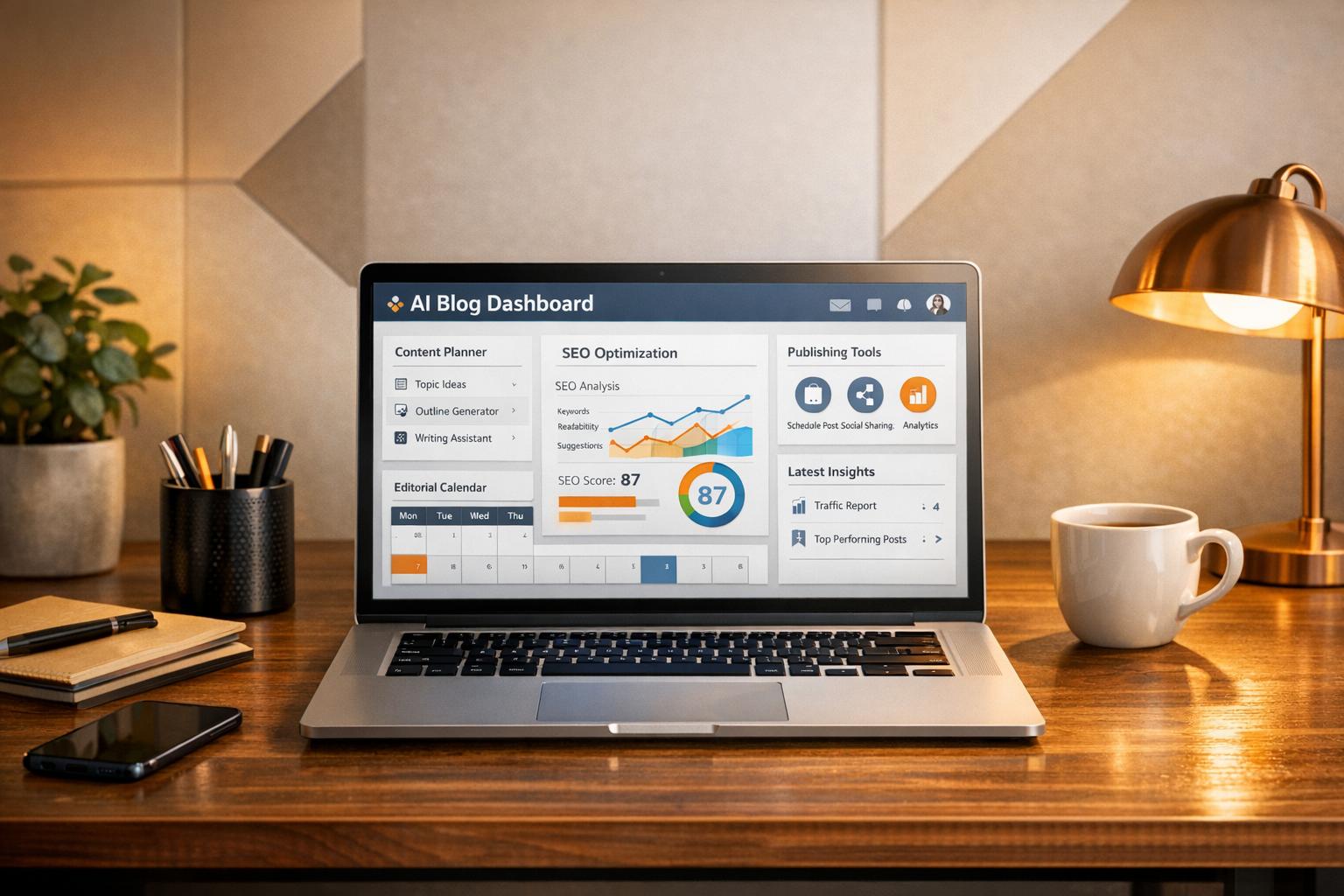
Take Pressmaster.ai, for example. This platform simplifies content management with features like automated multi-channel publishing, customizable newsrooms, and detailed analytics dashboards. It even predicts viral trends weeks in advance, giving users a competitive edge. Plus, its brand voice replication ensures your content feels authentic, even at scale.
The teams that merge AI efficiency with human creativity will lead the way. By letting AI handle repetitive tasks, your team can focus on strategy, relationship building, and the creative work that sets your brand apart. The tools and strategies outlined in this guide can serve as the foundation for this shift - but the real impact comes when you put them into practice and measure the results.
Start by identifying the biggest bottlenecks in your workflow and exploring AI solutions that address those specific challenges. Whether it’s content ideation, maintaining brand consistency, or tracking performance, there’s an AI tool designed to help. Companies already leveraging these technologies are seeing faster processes and better outcomes.
The transformation of your content strategy begins with one simple step: embrace AI tools that enhance your team’s strengths rather than replace them. By combining artificial intelligence with your team’s expertise, you’ll create content that’s faster, smarter, and more effective in achieving your business goals.
FAQs
How can AI content strategy templates make content creation faster and more efficient than traditional methods?
AI content strategy templates simplify the content creation process by taking over tedious tasks like brainstorming, planning, and scheduling. Instead of relying on manual methods that can eat up time and energy, AI tools analyze data, generate ideas, and recommend workflows aligned with your objectives in just a fraction of the time.
These templates also help maintain consistency in tone and style while minimizing errors. This allows teams to dedicate more energy to creative and strategic efforts rather than getting bogged down by administrative details. Incorporating AI into your workflow not only saves time but also boosts content quality and streamlines the entire process.
What should I consider when selecting AI tools to enhance my content workflow?
When selecting AI tools to enhance your content workflow, it’s important to zero in on features that match your specific goals. For instance, tools with automation features can handle repetitive tasks like content scheduling or keyword research, freeing up your time for more creative work. Also, having customization options is a big plus - it lets you tweak templates and workflows to align perfectly with your strategy.
Analytics that deliver actionable insights are another must-have. These insights help you measure what’s working and identify areas for improvement. Don’t overlook ease of integration, either. The tool should work smoothly with the platforms and software you’re already using. And, of course, a user-friendly interface is crucial - it ensures your team can start using the tool without needing hours of training.
How do AI-powered templates ensure a consistent brand voice across different platforms?
AI-powered templates are a game-changer for keeping your brand voice consistent. These tools analyze your tone, style, and key messages to craft content that mirrors your brand's personality and connects with your audience.
By streamlining content creation, they eliminate inconsistencies and ensure your messaging stays unified across various platforms. The result? Less time spent fine-tuning and more focus on reinforcing your brand identity with ease.
Related Blog Posts





Sign Up for our Pressmaster Newsletter
Sign up for our Pressmaster.ai newsletter to get instant alerts on trending topics, ensuring you stay ahead in your field with the latest insights and updates.


7 Viral Patterns That Drove 10,643% Growth
Turn natural conversations into content gold, make every insight count, and drive real conversations.

Please fill out the form to get our Viral Cheat Sheet


How to Become a Thought Leader in 6 Easy Steps
Increase your visibility, establish authority, and conquer your market with minimal effort.

Please fill out the form to get our PDF Checklist
